
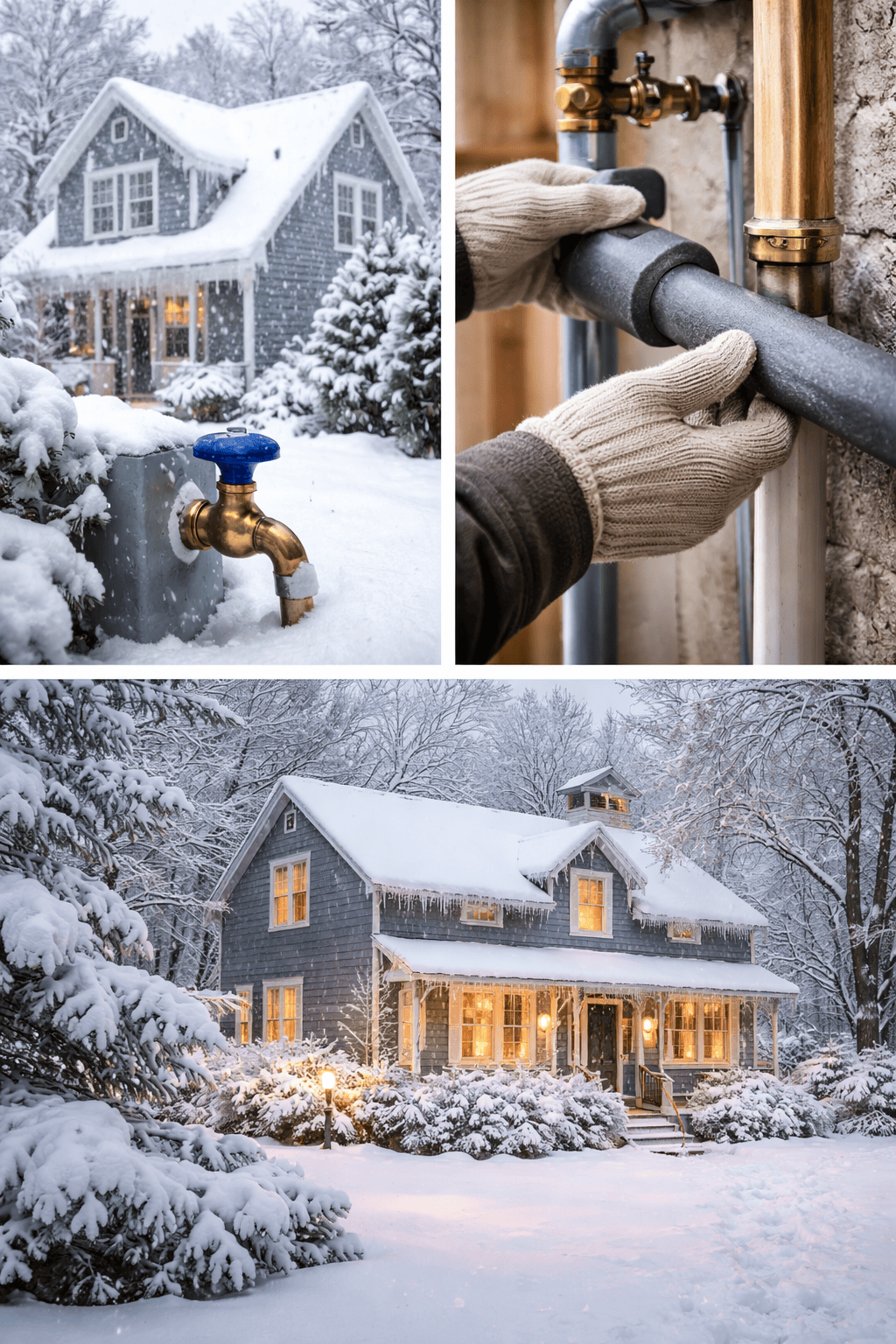
Winter Risk Management Tips for Homeowners, Landlords & Commercial Property Owners
New England winters are beautiful — but they can also be unforgiving.
Extended sub-zero temperatures, heavy snow loads, and winter power outages create serious risk for homeowners, rental property owners, and commercial building owners alike. Every year, we see preventable losses from frozen pipes, burst plumbing lines, ice dams, and extended water damage that could have been mitigated with proper preparation.
Below are proactive steps property owners should be taking right now to protect their investments.
1. Prevent Frozen & Burst Pipes
Frozen pipes are one of the most common and costly winter claims we see.
When water freezes, it expands. That expansion creates internal pressure inside plumbing lines that can cause pipes to burst — often in basements, crawl spaces, attics, and exterior walls.
Risk Reduction Tips:
-
Keep interior temperatures at 55°F or higher at all times — even if the property is vacant.
-
Open cabinet doors under sinks to allow warm air to circulate.
-
Seal cracks around windows, doors, and foundation penetrations.
-
Insulate exposed plumbing lines in basements, crawlspaces, and garages.
-
Disconnect and drain exterior hoses.
-
Install frost-proof exterior hose bibs.
2. Install Water & Freeze Mitigation Technology
Technology has come a long way — and we strongly recommend modern water-loss mitigation tools for both residential and commercial properties.
Automatic Water Shutoff Devices
These systems monitor water flow and automatically shut off the main water supply if unusual flow or leaks are detected.
Examples include Flo by Moen, Leak Defense, and Phyn.
Why this matters:
A burst pipe can release thousands of gallons of water in hours. An automatic shutoff can reduce damage from catastrophic to minimal.
Freeze Alarms & Low-Temperature Sensors
These devices alert you when interior temperatures drop below a preset threshold.
-
Receive alerts via smartphone
-
Ideal for second homes, rental properties, and commercial buildings
-
Can prevent freeze claims before pipes burst
Remote Temperature Monitoring & Smart Thermostats
Systems like Nest or Ecobee allow property owners to:
-
Monitor building temperatures remotely
-
Adjust heat settings from anywhere
-
Receive alerts if systems malfunction
For landlords and commercial property owners, this is especially valuable during tenant turnover or holiday closures.
3. Install an Automatic Whole-House Generator
One of the most overlooked risks in New England is power outages during severe cold snaps.
If power is lost:
-
Heating systems stop running
-
Pipes freeze rapidly
-
Buildings can suffer catastrophic water damage
An automatic standby generator turns on within seconds of power loss and keeps critical systems running — including heating systems and sump pumps.
For commercial property owners and landlords, generators are not a luxury — they are a business continuity tool.
4. Properly Winterize Seasonal & Vacant Properties
For seasonal homes, vacation properties, or buildings not occupied during winter months, proper winterization is critical.
We strongly recommend:
-
Hiring a licensed plumber to shut off the main water supply
-
Fully draining all plumbing lines
-
Draining water heaters and boilers where appropriate
-
Adding antifreeze to traps and toilets
-
Shutting off irrigation systems
-
Having someone periodically check the property
Insurance carriers often require documented winterization for vacant properties. Failure to properly winterize can jeopardize coverage in the event of a loss.
5. Roof & Ice Dam Prevention
Ice dams form when heat escapes from the attic, melts snow on the roof, and refreezes at the eaves.
This can cause:
-
Water intrusion
-
Interior ceiling damage
-
Mold issues
Preventive measures include:
-
Proper attic insulation
-
Adequate roof ventilation
-
Safe snow removal when accumulation becomes excessive
-
Professional evaluation if ice damming is recurrent
6. Commercial Property Considerations
For commercial building owners:
-
Maintain documented inspection logs
-
Ensure heating systems are professionally serviced annually
-
Verify tenant responsibilities in lease agreements
-
Install leak detection systems in mechanical rooms
-
Confirm snow removal contracts are in place
-
Review emergency response protocols with staff
Water losses in commercial buildings often exceed six figures due to business interruption and restoration costs.
Final Thoughts
Insurance is there to protect you — but proactive risk management is what prevents disruption in the first place.
At Lotfey Dennett Insurance Brokers, we believe in a white-glove advisory approach. That means helping our clients identify vulnerabilities before they become claims.
If you own a home, rental property, or commercial building in New England and would like a winter risk review, our team would be happy to help.
Stay safe, stay warm — and prepare before the next deep freeze hits.
