
Maine’s picturesque coastline offers stunning views and a serene lifestyle, but owning a coastal home here comes with unique insurance challenges. Understanding these challenges is crucial for homeowners to ensure they have the right protection in place. Here’s what every coastal homeowner in Maine should know about insuring their property.
Understanding Deductibles: Wind, Named-Storm, and Hurricane
Coastal homes often carry separate deductibles for wind, named-storm, and hurricane events. These deductibles can be a percentage of the dwelling limit. For instance, a 2% deductible on a $1.5 million home means the homeowner would pay $30,000 out of pocket before insurance kicks in. It’s important to review these terms carefully, as they can significantly impact your financial responsibility after a storm.
Flood and Storm-Surge Coverage
Standard homeowners insurance typically excludes flood and storm surge, which are common risks for coastal properties. Flood insurance must usually be purchased separately, either through the National Flood Insurance Program (NFIP) or a private insurer. Even if your lender doesn’t require flood insurance, your home could still be at risk, making this coverage a vital consideration.
Replacement Cost vs. Market Value
When insuring a coastal home, it’s essential to focus on the estimated reconstruction cost rather than the purchase price or assessed value. Rebuilding in coastal areas can be more expensive due to limited site access, contractor availability, and specialized materials. Extended or guaranteed replacement cost coverage can provide additional protection if rebuilding costs exceed your policy’s dwelling limit.
Ordinance or Law Coverage
Older homes may need to comply with current building codes after a covered loss. Ordinance or law coverage can help cover the costs of these upgrades, which may not be fully covered by standard limits, especially for historic or extensively customized homes.
Types of Water Damage
Water damage can occur in various forms, including plumbing leaks, wind-driven rain, groundwater, sewer backup, sump-pump failure, flood, and storm surge. Each type may be treated differently by your policy, so understanding these distinctions is crucial for effective coverage.
Docks, Piers, Seawalls, and Detached Structures
Coverage for features like docks, piers, seawalls, and detached structures such as boathouses, generators, sheds, pools, and landscaping can be limited or excluded. It’s important to review these elements individually to ensure adequate protection.
Seasonal and Secondary-Home Considerations
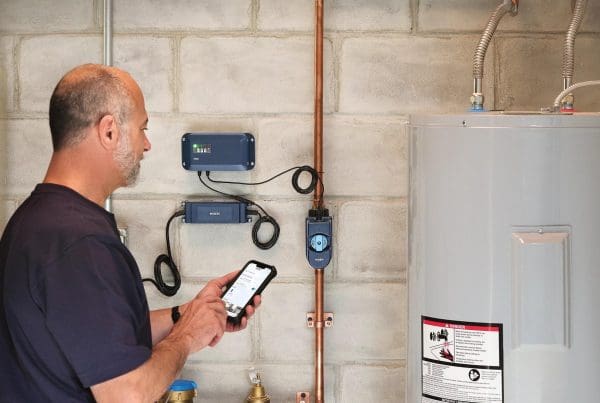
If your coastal home is a seasonal or secondary residence, your insurer needs accurate information about occupancy, winterization, and periods when the home is vacant. Consider installing water shutoff systems, low-temperature alarms, generators, and monitored security systems to mitigate risks.
Short-Term Rental Activity
If you plan to rent out your home through platforms like Airbnb, disclose this activity to your insurer. A policy designed for personal use may not cover rental exposure adequately, so adjustments may be necessary.
High-Value Belongings
Standard policies may offer limited coverage for high-value items such as jewelry, artwork, wine, antiques, and collections. These items may need to be scheduled separately to ensure full protection.
Personal Liability and Umbrella Coverage
Coastal homes often come with additional liability exposures due to features like pools, docks, boats, and guest activities. Coordinating home, auto, watercraft, and umbrella limits can provide comprehensive liability protection.
Beyond the Price Tag
When comparing insurance options, don’t focus solely on the annual premium. Consider deductibles, exclusions, rebuilding protection, and water-related coverage. Two similarly priced policies may respond very differently after a major coastal loss.
For coastal homeowners and buyers, understanding these coverage nuances is essential. We invite you to request an LDI Private Client insurance review before purchasing or renewing coverage to ensure your coastal home is adequately protected. Reach out to our agency for more information and personalized assistance.